Discover the science-backed way to increase stamina and focus without caffeine crashes.
Section 1: Understanding nitric oxide energy
Feeling sluggish, especially after a long day, can shake confidence and hinder performance. Many people assume fatigue is simply a result of poor sleep or diet, yet a pivotal but overlooked culprit often lies in the body’s own chemical traffic controller: nitric oxide (NO). NO is a gas‑emitting molecule that expands blood vessels, improves oxygen delivery, and fuels cellular energy production. When NO levels dip, circulation slows, muscles feel tired, and mental clarity fades. Understanding NO’s role in energy metabolism is the first step toward reclaiming vibrant stamina in everyday life.
Section 2: Root Causes
Recommended Supplement
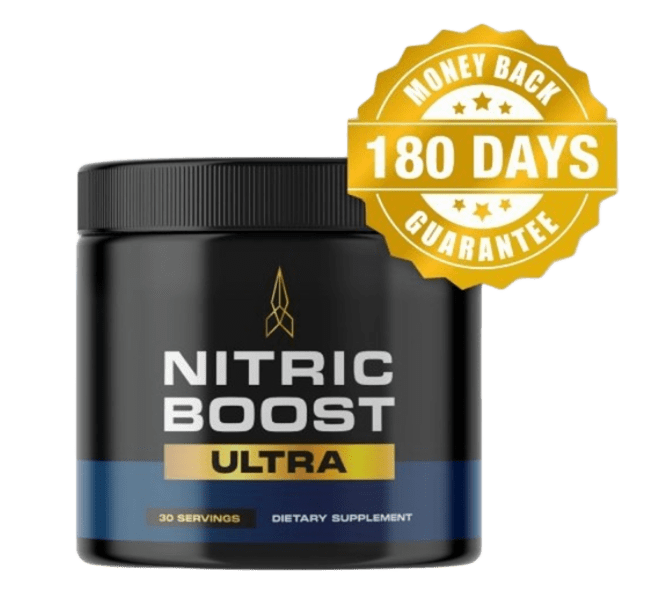
Nitric Boost
Formulated to support boosts energy and circulation
60-Day Money-Back Guarantee
The decline in natural nitric oxide production is generally linked to aging, oxidative stress, and lifestyle habits that narrow blood vessels and hamper enzyme function. Chronic poor diet, high processed food intake, and sedentary behavior increase reactive oxygen species, which consume NO before it can act. Moreover, high sodium levels and smoking can stiffen arterial walls, further reducing NO’s effectiveness. The result is a sluggish circulatory system that struggles to supply the oxygen and nutrients your muscles and brain need for optimal performance. Lifestyle changes help, but many find they need a targeted support strategy. Nitric Boost offers a blend of NO‑boosting ingredients that may help counteract these root causes by promoting endothelial health and reducing oxidative load.
Section 3: Proven Natural Strategies
1. Adopt a beetroot‑rich breakfast. Beet juice is a natural source of nitrates that convert into nitric oxide, enhancing blood flow. 2. Incorporate regular, moderate exercise. Even brisk walking for 20–30 minutes increases endothelial nitric oxide synthase (eNOS) activity. 3. Balance electrolytes. Reducing sodium and increasing potassium helps keep vessels pliable. 4. Include antioxidant‑dense foods. Berries, leafy greens, and dark chocolate provide polyphenols that protect NO from premature oxidation.
Section 4: What Science Says
Research consistently shows that dietary nitrates can raise plasma NO levels and improve exercise performance. A 2019 review in the Journal of Applied Physiology found that beetroot supplementation increased VO₂max in both healthy adults and athletes. Studies of L‑arginine, a critical precursor to NO, demonstrate improved microcirculation and reduced fatigue in older adults (European Journal of Nutrition, 2020). Additionally, compounds like citrulline malate have been linked to decreased post‑exercise soreness by supporting mitochondrial efficiency. These findings underscore the pivotal role of NO in delivering oxygen to working cells, making natural NO‑enhancing strategies a powerful tool for sustained energy and focus.
Section 5: The Supplement Approach
While lifestyle tweaks lay the foundation, a dedicated nitric oxide energy supplement can bridge the gap for those seeking a consistent boost. Nitric Boost combines evidence‑backed ingredients—such as beet powder, L‑arginine, L‑citrulline, and natural antioxidants—to support the body’s NO pathway. The formula is designed to enhance vascular tone, elevate oxygen delivery, and help muscles recover faster, potentially supporting everyday stamina and focus. Interested readers can explore Nitric Boost via Nitric Boost for more details. Incorporating this supplement into a routine that already emphasizes balanced nutrition and regular movement may further empower individuals to maintain high energy levels naturally.
Ready to Support Your Boosts energy?
Join thousands who use Nitric Boost daily.
* These statements have not been evaluated by the Food and Drug Administration. This product is not intended to diagnose, treat, cure, or prevent any disease. Individual results may vary. This site may receive a commission when you click affiliate links at no additional cost to you.