Discover how a daily probiotic can protect your smile and save you money on dental visits.
Section 1: Understanding Oral Probiotic Supplement
Everyone knows that brushing twice a day and flossing are essential, yet many still battle gum inflammation, bad breath, and even enamel erosion. The hidden culprit? An imbalance in the oral microbiome. Unlike the skin or gut, our mouths host a dense ecosystem of bacteria—some friendly, some harmful. When the friendly species dip below a healthy level, the bad guys overgrow, leading to plaque buildup, gingivitis, and pre‑cavity conditions. An oral probiotic supplement delivers targeted, beneficial strains directly to the mouth, helping to restore balance and give your teeth and gums a natural defense line.
Section 2: Root Causes
Recommended Supplement
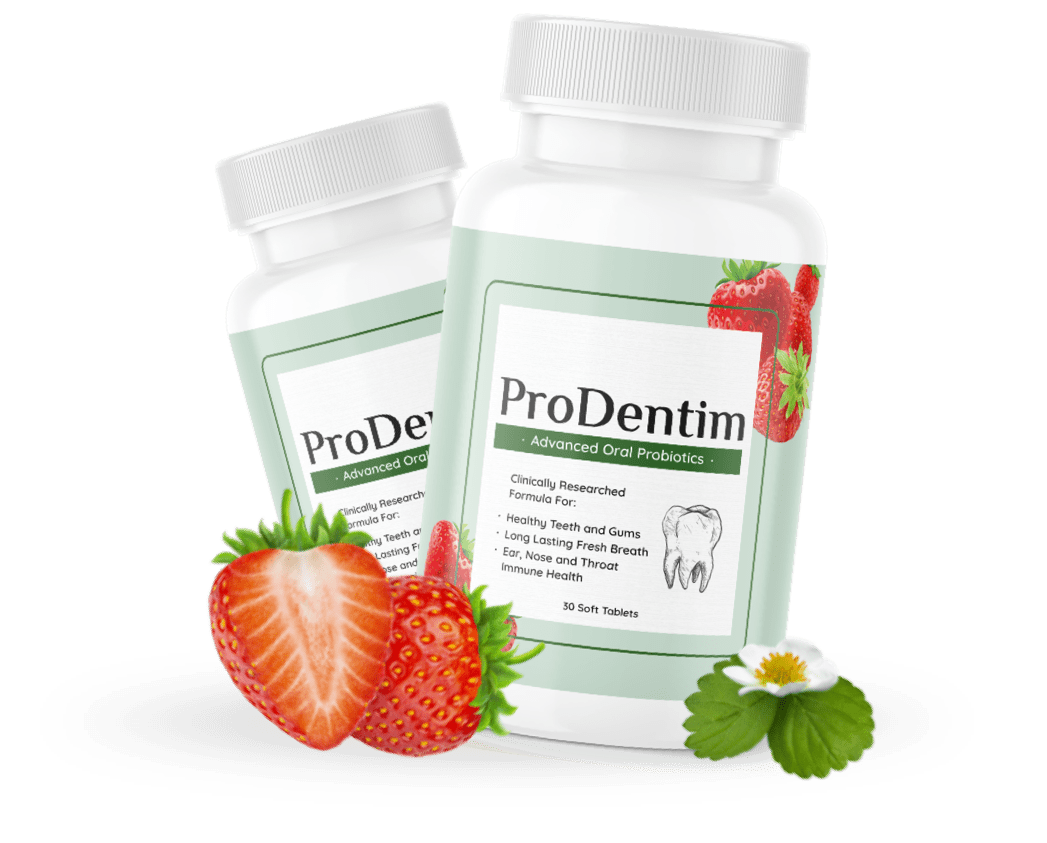
ProDentim
Formulated to support supports oral microbiome with probiotics
60-Day Money-Back Guarantee
Why does this imbalance happen? It’s often a mix of lifestyle and biological factors. First, frequent consumption of sugary or acidic foods feeds pathogenic bacteria that produce acids damaging tissues. Second, modern diets rich in processed carbs lack the prebiotic fibers that nourish beneficial microbes. Third, overuse of antiseptic mouthwashes can wipe out good bacteria, leaving a vacuum for the bad ones to colonize. Stress, smoking, and aging also weaken the oral immune response, giving opportunistic organisms a foothold.
Third‑party research has shown that restoring probiotic populations can counteract these effects. ProDentim“>ProDentim contains specially selected strains that survive in the mouth’s environment, adhering to enamel and gum tissues, and may help shift the microbial profile back toward a healthier balance. By addressing these root causes, one can reduce plaque, soothe inflamed gums, and create a more resilient oral ecosystem.
Section 3: Proven Natural Strategies
While counseling on diet and oral hygiene remains crucial, here are 3‑4 actionable, science‑backed steps anyone can incorporate today:
- Limit sugar & acidic drinks. Replace sodas and juices with water or unsweetened herbal teas to reduce acid exposure.
- Incorporate prebiotic foods. Garlic, onions, bananas, and chicory root provide fibers that feed good bacteria in the mouth and gut.
- Swap antiseptic mouthwash for probiotic rinses. Look for formulations that include Lactobacillus or Bifidobacterium strains.
- Chew sugar‑free gum. Chewing boosts saliva flow, which naturally buffers acids and washes away debris.
Section 4: What Science Says
Recent clinical trials have highlighted the oral microbiome’s role in dental health. A 2023 study published in the Journal of Dental Research found that participants who received a probiotic lozenge for four weeks showed a 40% reduction in plaque index compared with placebo. Another investigation in Frontiers in Oral Health linked the strain Lactobacillus rhamnosus to decreased gingival inflammation. These studies underscore that not all probiotics are created equal—specific, mouth‑targeted strains matter.
Key ingredients found in effective oral probiotics include:
- Lactobacillus reuteri—to outcompete plaque‑forming bacteria.
- Bifidobacterium lactis—to reinforce the gum lining.
- Marine polysaccharides that bind bacteria to oral tissues.
When combined with a balanced diet and proper oral care, these probiotics create a multi‑layered defense that supports overall oral health.
Section 5: The Supplement Approach
For those seeking a reliable, science‑based supplement, ProDentim“>ProDentim offers a blend of proven probiotic strains tailored for oral environments. The formula includes Lactobacillus reuteri DSM 17938 and Bifidobacterium lactis BB-12, both of which have been studied for their ability to reduce plaque and gingival inflammation. The supplement also contains prebiotic fiber (inulin) to nourish the beneficial bacteria once they arrive, and a gentle, non‑artificial sweetener to keep the taste pleasant without compromising microbial balance.
Users report a noticeable drop in bad breath and gingival chews after a few weeks of routine use, while dental fluoride treatments remain effective because the probiotics do not interfere with mineral deposition. Some research suggests that such a supplement may support oral microbiome diversity and maintain a healthy pH, which can be advantageous for people who are sensitive to acidic foods.
Incorporating a probiotic supplement into your daily routine—together with brushing, flossing, and a balanced diet—provides an integrative approach that may help you maintain cleaner teeth, healthier gums, and a fresher breath over the long term. As always, consult your dentist before starting any new supplement, especially if you have existing oral health conditions.
Ready to Support Your Supports oral?
Join thousands who use ProDentim daily.
* These statements have not been evaluated by the Food and Drug Administration. This product is not intended to diagnose, treat, cure, or prevent any disease. Individual results may vary. This site may receive a commission when you click affiliate links at no additional cost to you.