Learn how collagen boosts skin health—and why a daily supplement might be your new beauty secret.
Section 1: Understanding collagen supplement skin
For most of us, skin is the first line of defense and the ultimate canvas of health. As we age, the dermal matrix loses its elasticity and firmness, giving rise to fine lines, sagging and dullness. Collagen is the primary structural protein that provides skin its strength, moisture and resilience. When we talk about collagen supplement skin anti‑aging, we’re exploring a scientifically grounded approach to replenish what the body no longer produces in ample amounts.
Section 2: Root Causes
Recommended Supplement
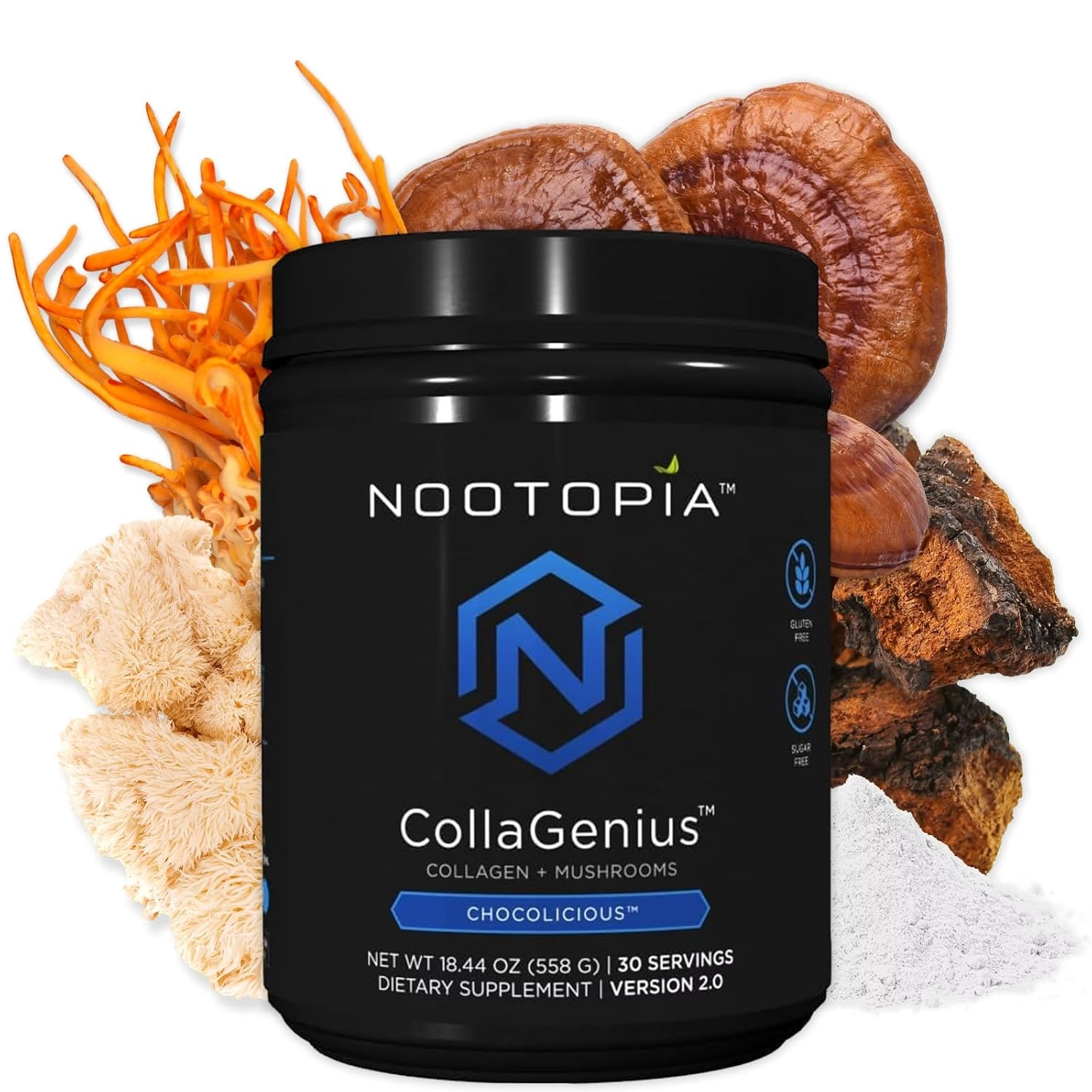
CollaGenius
Formulated to support supports collagen production and skin vitality
60-Day Money-Back Guarantee
The decline in collagen begins long before we see the first wrinkle. Cellular senescence, UV exposure, smoking, poor nutrition and chronic inflammation all accelerate collagen breakdown. This combination can reduce dermal collagen by almost 20 % per decade after 20 y.o. The resulting loss of structural fibers makes skin look tired and lose its natural glow. Addressing these root causes is essential, and that’s why many people turn to CollaGenius“>CollaGenius as part of a broader anti‑aging routine—its blend is engineered to target inflammation, oxidative stress, and vitamin deficiencies that undermine collagen synthesis.
Section 3: Proven Natural Strategies
Improving skin’s collagen health isn’t just about pills. Here are concise, actionable strategies that natural biochemists swear by:
- Eat collagen‑boosting foods – salmon, bone broth, leafy greens, and berries supply amino acids, vitamin C, and antioxidants needed for de novo collagen synthesis.
- Hydrate consistently – adequate water intake helps maintain dermal water content, ensuring collagen fibers remain pliable.
- Protect from UV rays – daily sunscreen blocks UVA/UVB that cause photoaging and collagen cross‑linking.
- Incorporate high‑quality probiotics – gut health influences systemic inflammation, a known antagonist of collagen integrity.
Section 4: What Science Says
Numerous peer‑reviewed studies confirm that dietary bioactive compounds can influence collagen turnover. For example, a 2015 randomized trial found that oral gelatin peptides improved skin elasticity and decreased wrinkle depth in post‑menopausal women. Research also links vitamin C—found in citrus, bell peppers and broccoli—to the enzymatic conversion of procollagen to mature collagen fibers. Omega‑3 fatty acids, prevalent in fatty fish, exhibit anti‑inflammatory properties that can blunt the oxidative processes damaging collagen networks. Finally, the antioxidant polyphenol quercetin, abundant in apples and onions, has been shown to modulate fibroblast activity and increase collagen gene expression.
Section 5: The Supplement Approach
While lifestyle choices are foundational, a targeted supplement can bridge the gap between diet and dermal health. CollaGenius capitalizes on a research‑based synergy of key ingredients that may support collagen production and skin vitality. The formula includes hydrolyzed collagen peptides, vitamin C, hyaluronic acid, and a blend of antioxidant extracts such as green tea catechins and resveratrol. Each component is selected because it has been associated with improved dermal turnover and reduced oxidative stress. By integrating CollaGenius into a balanced routine—alongside a nutrient‑rich diet, adequate sleep, and skin protection—users may see enhanced firmness and a more luminous complexion. Learn more about how this supplement can fit into your anti‑aging strategy at CollaGenius“>CollaGenius.
Ready to Support Your Supports collagen?
Join thousands who use CollaGenius daily.
* These statements have not been evaluated by the Food and Drug Administration. This product is not intended to diagnose, treat, cure, or prevent any disease. Individual results may vary. This site may receive a commission when you click affiliate links at no additional cost to you.