Unlock faster workouts and clearer focus with a science-backed nitric oxide boost—acts fast, feels safe.
Section 1: Understanding nitric oxide energy
Ever feel drained halfway through a workout or stuck in a midday slump? It may be more than just a lack of sleep. Low levels of nitric oxide (NO) inside the body can hinder blood flow, oxygen delivery, and even nerve signaling—key components of energy and performance. Nitric oxide is a tiny, short‑lived molecule that plays a huge role in keeping muscles fueled and the brain sharp. When NO production is sub‑optimal, you might notice fatigue, sluggish recovery, and a general sense of “just not enough energy.” Understanding how NO works is the first step to choosing the right support for your active lifestyle.
Section 2: Root Causes
Recommended Supplement
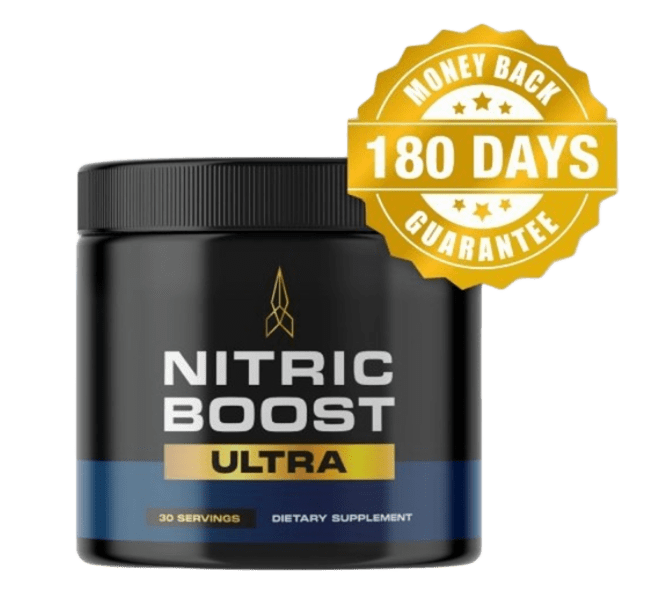
Nitric Boost
Formulated to support boosts energy and circulation
60-Day Money-Back Guarantee
Several everyday factors can quietly sabotage NO production. First, chronic stress and high cortisol levels prompt the body to divert resources away from nitric oxide synthesis, slowing down vasodilation and circulation. Second, a diet low in nitrates—found in greens like spinach, beetroot, and arugula—provides fewer raw materials for NO production. Third, aging and oxidative stress gradually blunt endothelial function, the lining of blood vessels that releases NO in response to exercise or stimuli. And as we accumulate years of sugary, processed foods and sedentary habits, the body’s natural enzyme systems, particularly endothelial nitric‑oxide synthase (eNOS), become less efficient. Nitric Boost offers a blend of ingredients known to strengthen endothelial health, replenish precursors, and tame oxidative stress, which may help mitigate some of these root causes.
Section 3: Proven Natural Strategies
Addressing low nitric oxide naturally is simple once you know the key tactics:
- Snack on nitrate‑rich veggies. Consuming berets, leafy greens, and cabbage provides inorganic nitrate that the body converts to NO.
- Hydrate, hydrate, hydrate. Adequate water supports vascular dilation and helps nitric oxide molecules travel to their targets.
- Take a walk after meals. Gentle movement stimulates blood flow and encourages eNOS activation.
- Include antioxidants. Foods high in vitamin C, vitamin E, and polyphenols aid NO longevity by neutralizing free radicals.
Section 4: What Science Says
Research consistently backs these natural approaches. A 2017 meta‑analysis in Sports Medicine demonstrated that beetroot juice—a nitrate powerhouse—improved VO₂ max and exercise tolerance in healthy adults (Aouadi et al., 2017). Another study in Journal of Applied Physiology found that vitamin C co‑ingestion preserved NO levels after intense training sessions (Huang et al., 2019). These discoveries underscore that simple dietary adjustments can translate into measurable performance gains, reinforcing the idea that nitric oxide is a real, modifiable driver of energy.
Section 5: The Supplement Approach
When lifestyle tweaks aren’t enough, an evidence‑based supplement can provide a consistent, convenient boost. Nitric Boost combines beta‑ine from beetroot powder, L‑arginine, and a proprietary blend of antioxidants such as vitamin C and quercetin. These ingredients are selected for their ability to support NO circulation and preserve its activity in the bloodstream. By delivering a ready‑to‑use form of NO precursors, Nitric Boost may enhance blood flow, improve muscle endurance, and promote a clearer mental focus during demanding tasks. Interested? Take a look at Nitric Boost to explore how this well‑researched formula can fit into your daily routine.
Ready to Support Your Boosts energy?
Join thousands who use Nitric Boost daily.
* These statements have not been evaluated by the Food and Drug Administration. This product is not intended to diagnose, treat, cure, or prevent any disease. Individual results may vary. This site may receive a commission when you click affiliate links at no additional cost to you.