Unlock sustained energy and better circulation by tapping into nitric oxide’s power—discover how today!
Section 1: Understanding Nitric Oxide Energy
When you feel sluggish at mid‑afternoon or struggle to finish a workout, it’s often more than just a caffeine crash—it could be a sign of reduced nitric oxide (NO) production. NO is a gas‑like molecule that acts as a messenger in the body, dilating blood vessels, improving oxygen delivery, and supporting cellular energy output. Understanding how NO influences fatigue and circulation can help you spot the root of low energy and find natural ways to revitalize your day.
Section 2: Root Causes
Recommended Supplement
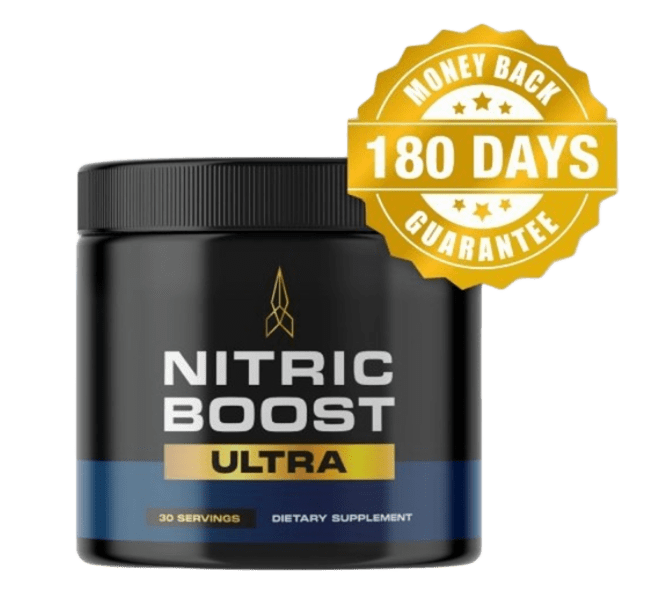
Nitric Boost
Formulated to support boosts energy and circulation
60-Day Money-Back Guarantee
Low nitric oxide levels stem from several interrelated factors. A diet high in processed foods and saturated fats can damage endothelial cells (the lining of blood vessels), leading to impaired NO synthesis. Chronic stress and inflammation also deplete the body’s antioxidant defenses, which are essential for converting nitrates into the active NO molecule. Aging naturally reduces the efficiency of the NO pathway, and men and women over 40 often notice a dip in circulation‑linked stamina.
Lifestyle habits—especially insufficient sleep and sedentarism—exacerbate the problem. When the body doesn’t get enough restorative rest or regular movement, enzymes that produce NO run low. Moreover, smoking, excessive alcohol, and exposure to pollutants can oxidize NO, making it unavailable for vital processes. While these causes are common, many people overlook the gradual build‑up of issues that eventually sap their vitality.
For those looking to address these root causes, Nitric Boost can help support nitric oxide pathways by supplying natural precursors and antioxidants. By softening the walls of arteries and encouraging healthy blood flow, it provides a foundation upon which everyday energy can flourish.
Section 3: Proven Natural Strategies
1️⃣ Boost your diet with nitrate‑rich foods. Leafy greens like spinach, arugula, and beetroot are high in dietary nitrates that the body converts to NO. Aim for a handful of greens daily to keep the NO cycle humming.
2️⃣ Incorporate L‑arginine and L‑citrulline. These amino acids are key in the NO synthesis pathway. They’re found naturally in watermelon, nuts, and legumes; supplementing them helps maintain baseline NO levels.
3️⃣ Exercise regularly and vary intensity. Both aerobic and resistance training stimulate endothelial function, enhancing the body’s ability to produce NO. Even a brisk 20‑minute walk can make a noticeable difference.
4️⃣ Prioritize recovery sleep. During deep sleep, the body repairs vascular health and restores NO production. Aiming for 7–9 hours of quality rest each night supports energy throughout the day.
Section 4: What Science Says
Research consistently links nitric oxide to improved exercise performance and reduced fatigue. A 2018 study published in Medicine & Science in Sports & Exercise found that supplementation with L‑citrulline increased endurance by 10% in trained athletes, attributed to higher NO availability. Another meta‑analysis in Phytotherapy Research revealed that beetroot juice, a natural nitrate source, improved walking speed and reduced perceived exertion in older adults.
Antioxidant‑rich compounds—such as those found in blueberries, dark chocolate, and green tea—also protect NO from oxidative damage. The “NO reserve” concept suggests that a diet fortified with these nutrients keeps the body’s endothelial machinery responsive, thereby sustaining oxygen delivery and cellular energy. When combined with regular movement, the synergistic effect on circulation is substantial.
Section 5: The Supplement Approach
Many people turn to dedicated nitric‑oxide‑boosting supplements when lifestyle tweaks aren’t enough. These products typically combine L‑arginine or L‑citrulline with natural antioxidants like beetroot extract, black pepper (for enhanced absorption), and a synergistic blend of phospholipids that support cell membrane health. One example of a well‑rounded formula is Nitric Boost, available through Nitric Boost. Its ingredient profile focuses on harnessing natural pathways while mitigating oxidative stress. Though it can’t replace a balanced diet or exercise routine, some studies suggest that such supplements may help maintain blood flow and support overall vitality. As always, consider consulting a healthcare provider before adding new supplements to your regimen.
Ready to Support Your Boosts energy?
Join thousands who use Nitric Boost daily.
* These statements have not been evaluated by the Food and Drug Administration. This product is not intended to diagnose, treat, cure, or prevent any disease. Individual results may vary. This site may receive a commission when you click affiliate links at no additional cost to you.