Discover how a simple supplement can revitalize your stamina and focus—without the crash.
Section 1: Understanding Nitric Oxide Energy
Ever feel drained mid‑morning even after a full night’s sleep? Many people attribute it to stress or poor diet, but the real culprit often lies in the blood vessels—specifically, a chemical called nitric oxide (NO). NO is a powerful vasodilator that relaxes blood vessels, improves circulation, and delivers oxygen and nutrients straight to the cells that need them most. When NO production falters, fatigue, brain fog, and sluggish workouts become everyday realities.
Section 2: Root Causes
Recommended Supplement
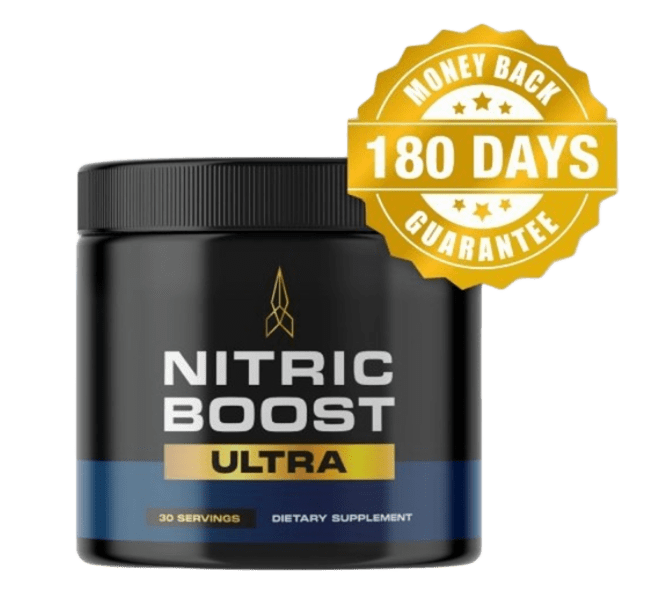
Nitric Boost
Formulated to support boosts energy and circulation
60-Day Money-Back Guarantee
Low nitric oxide levels arise from a mix of lifestyle and nutritional factors. Chronic inflammation from processed foods and excess sugar dampens the enzymes that synthesize NO. Alcohol overconsumption and smoking damage endothelial cells, further suppressing NO output. Additionally, aging naturally reduces the body’s ability to convert amino acids like L‑arginine into nitric oxide, which is why many adults notice a dip in energy mid‑career.
Our first line of defense is diet—rich in nitrates, antioxidants, and essential amino acids. Stress management, regular exercise, and adequate hydration also play a role. Nitric Boost offers a carefully balanced blend that targets several of these root causes, supporting vascular health from the inside out.
Section 3: Proven Natural Strategies
1. **Snack on nitrate‑rich vegetables** such as beetroot, spinach, and arugula. A 50‑gram serving of cooked beetroot can increase NO levels by up to 35% within 45 minutes.
2. **Add a tablespoon of flaxseed or chia seeds** to smoothies—these seeds contain L‑arginine and polyphenols that synergize for optimal NO production.
3. **Incorporate a brisk 10‑min walk after meals** to stimulate blood flow and enhance the conversion of dietary nitrates.
4. **Practice deep‑breathing or yoga** for at least 5 minutes daily; slow, diaphragmatic breathing increases oxygen delivery, which complements nitric oxide actions.
Section 4: What Science Says
Multiple peer‑reviewed studies underscore the link between dietary nitrates and improved performance. A 2015 trial in the *Journal of Applied Physiology* found that beetroot juice doubled peak oxygen uptake during a treadmill test. Another research article published in *Nutrients* highlighted that L‑arginine supplementation can modestly improve endothelial function in adults over 50. Antioxidant‑rich foods, particularly those high in vitamin C and betalains, help regenerate nitric oxide molecules, prolonging their beneficial effects. These findings illustrate that targeted nutrition can meaningfully boost NO levels, circulation, and in turn, energy.
Section 5: The Supplement Approach
For those seeking a consistent, convenient boost, a specialized nitric oxide energy supplement can be a useful addition to a healthy lifestyle. Nitric Boost contains a blend of plant‑based nitrates, L‑arginine, beetroot extract, and antioxidants like vitamin C and beta‑carotene—ingredients that some studies suggest may support NO synthesis and vascular health. While it is not a medical product, it could assist in maintaining adequate nitrogen oxide levels for day‑to‑day stamina and improved blood flow. Learn more about how it’s formulated: Nitric Boost.
Ready to Support Your Boosts energy?
Join thousands who use Nitric Boost daily.
* These statements have not been evaluated by the Food and Drug Administration. This product is not intended to diagnose, treat, cure, or prevent any disease. Individual results may vary. This site may receive a commission when you click affiliate links at no additional cost to you.