Discover evidence‑backed tactics and a trusted supplement that may help men protect their prostate health today.
Section 1: Understanding Prostate Health Supplement
Every man knows the prostate is a small but vital gland, yet many ignore early signals of imbalance. A healthy prostate keeps urine flow smooth, reduces inflammation, and supports overall wellness. When routine signs—frequent nighttime trips, mild irritation, or sluggish urinary flow—appear, they often hint at a need for proactive care. Natural prostate health supplements can be a gentle, well‑studied ally to help keep this critical gland in top shape.
Section 2: Root Causes
Recommended Supplement
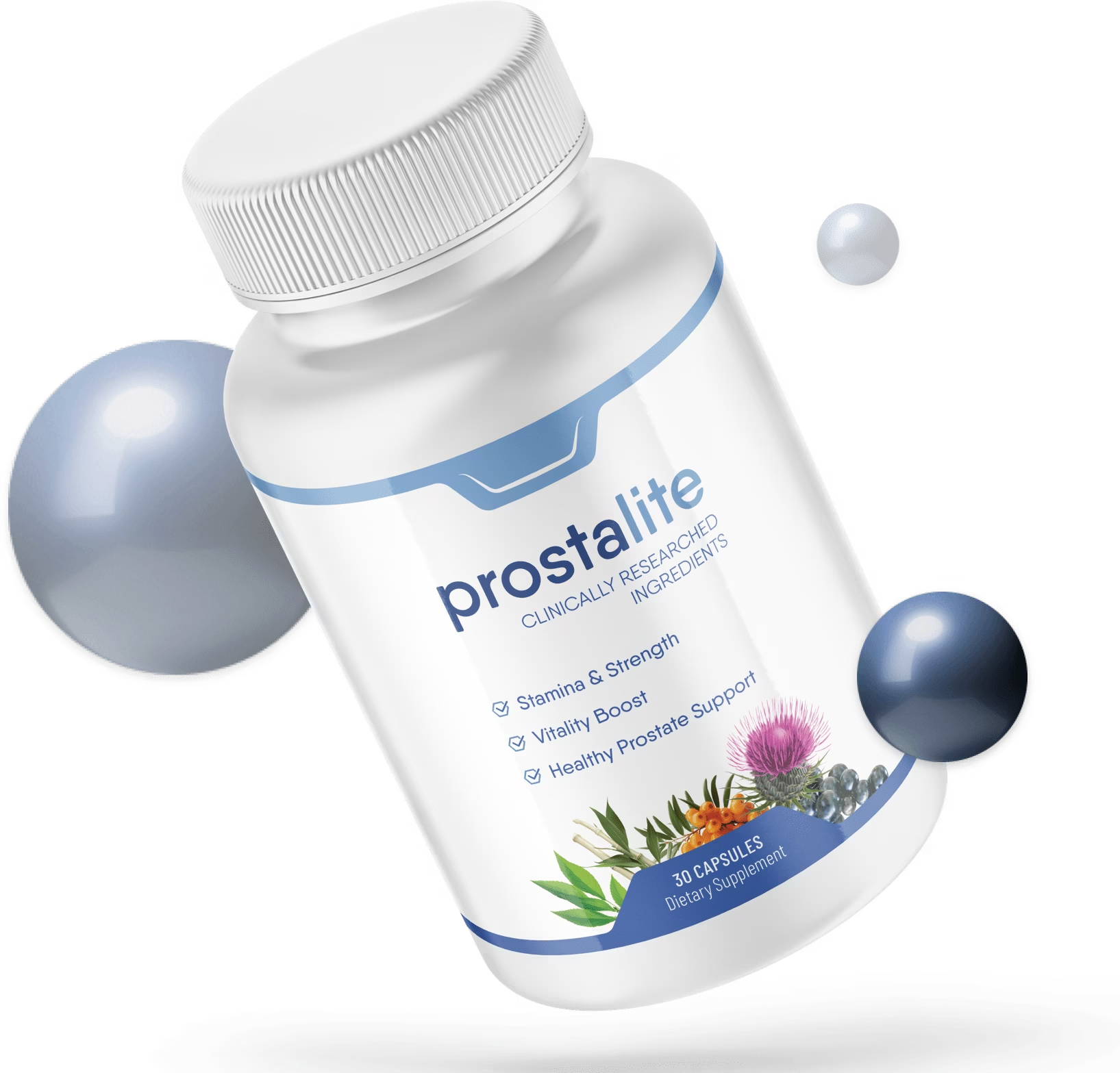
ProstaLite
Formulated to support supports prostate health in men
60-Day Money-Back Guarantee
Prostate concerns typically arise from a mix of lifestyle, diet, and aging. Inflammation driven by poor nutrition or chronic stress can enlarge the gland, while diurnal hormone shifts with age naturally increase prostate volume. Obesity and sedentary habits further heighten the risk of prostatic hyperplasia and lower urinary tract symptoms. A balanced diet rich in antioxidants, adequate fiber, and healthy fats counteracts these stressors, yet many men still feel the pressure of symptoms. Current research suggests that nutrient‑dense supplements—such as those found in ProstaLite—can assist by delivering concentrated levels of phytochemicals that help modulate inflammation and hormonal balance.
Section 3: Proven Natural Strategies
1️⃣ Optimize Your Diet: Incorporate tomatoes, broccoli, and berries high in lycopene, beta‑carotene, and vitamin C to help neutralize oxidative stress. 2️⃣ Stay Active: Aim for 150 minutes of moderate exercise per week; cardio and strength training support circulation and hormonal health. 3️⃣ Manage Stress: Practice mindfulness, yoga, or deep breathing to lower cortisol, a hormone linked to prostatic inflammation. 4️⃣ Prioritize Sleep: Quality sleep helps regulate testosterone and prostaglandin levels, both important for prostate function.
Section 4: What Science Says
Numerous peer‑reviewed studies confirm that plant bioactives can favor prostate health. Lycopene, found in tomatoes, has been associated with reduced PSA levels in men with benign prostatic hyperplasia (BPH). Saw palmetto extract has shown promise in alleviating urinary symptoms by modulating androgen activity. Pumpkin seed oil, rich in zinc, supports epithelial health and may reduce inflammation. In addition, zinc‑deficiency is common among men with prostate disorders, making dietary or supplemental zinc critical. These findings collectively underline the value of integrating potent, science‑backed ingredients into a daily routine.
Section 5: The Supplement Approach
When lifestyle tweaks alone feel insufficient, a targeted supplement can be a rational next step. PROSTALITE is a blend of carefully selected botanicals and minerals that, according to current science, may support prostate health in men. Key ingredients such as pumpkin seed oil, beta‑sitosterol, zinc, and saw palmetto extract are each linked to anti‑inflammatory or supportive prostate benefits in several studies. While it is not a cure, regular use of PROSTALITE (ProstaLite) may help men keep their prostate functioning within healthy ranges and reduce discomfort associated with early BPH signs. As always, discuss any new supplement routine with your healthcare provider.
Ready to Support Your Supports prostate?
Join thousands who use ProstaLite daily.
* These statements have not been evaluated by the Food and Drug Administration. This product is not intended to diagnose, treat, cure, or prevent any disease. Individual results may vary. This site may receive a commission when you click affiliate links at no additional cost to you.