Discover how a simple supplement can revitalize fatigue and improve focus before your next workout
Section 1: Understanding nitric oxide energy
Every day, countless people feel the tug of sluggishness—late‑night meetings, long commutes, or simply a mid‑morning slump. The culprit often lies in reduced blood flow, which limits oxygen and nutrient delivery to your brain and muscles. Nitric oxide (NO), a tiny molecule circulating in your blood, is the body’s natural vasodilator: it relaxes blood vessel walls, improving circulation and delivering energy where it’s needed most. When NO production dips, that energizing ripple effect fades, leaving you feeling drained and less responsive.
Section 2: Root Causes
Recommended Supplement
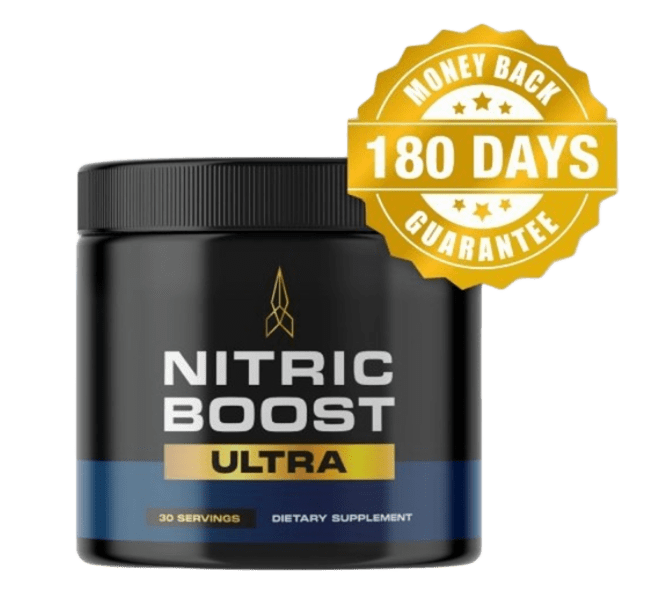
Nitric Boost
Formulated to support boosts energy and circulation
60-Day Money-Back Guarantee
Low nitric oxide levels can stem from several everyday stressors. First, aging naturally slows the enzymes—like endothelial nitric oxide synthase—that generate NO. Second, diets high in refined sugars, processed fats, and excessive sodium can impair endothelial function, blunt NO release, and stiffen vessels. Third, sedentary lifestyles, chronic stress, and poor sleep patterns all contribute to endothelial fatigue. Finally, environmental toxins and inflammation from poor gut health can further suppress NO synthesis.
Addressing these root causes can re‑ignite your body’s own performance engine. For example, switching to whole‑food, anti‑inflammatory meals, regular movement, stress‑management practices, and supporting gut health with probiotics and prebiotics can all help restore balanced NO production. Nitric Boost offers a blend of ingredients that target several of these pathways, giving your system an extra boost where needed.
Section 3: Proven Natural Strategies
1. Introduce beetroot into your diet. Beetroot raw juice or cooked beetroot pancakes are natural nitrate sources that convert to nitric oxide in the body. 2. Keep hydrated and add electrolytes. Adequate water and balanced electrolytes enhance vascular tone. 3. Move consistently. Short, brisk walks or dynamic stretching triggers endothelial responsiveness. 4. Mind your sleep architecture. Aim for 7–9 hours of sound sleep; nighttime recovery is when NO production peaks.
Section 4: What Science Says
Recent studies in Journal of Applied Physiology and Nutrition and Metabolism have documented that dietary nitrates from beetroot increase plasma nitrite, a key precursor for NO, leading to measurable improvements in muscle oxygenation and exercise performance. Research on L‑arginine and L‑citrulline—amino acids that act as NO precursors—has shown enhanced endothelial function in both young and older adults. Furthermore, antioxidant-rich foods such as dark chocolate, blueberries, and leafy greens mitigate oxidative stress that otherwise degrades NO, according to findings in the American Journal of Clinical Nutrition. These data highlight that natural foods and targeted supplementation can synergistically promote healthy circulation and sustained energy.
Section 5: The Supplement Approach
When dietary changes alone aren’t enough, a focused supplement can “may support” nitric oxide synthesis and circulation. Nitric Boost is formulated with a synergistic mix of beetroot extract, L‑citrulline, and bioflavonoids that have been linked in research to enhanced NO production. Additionally, antioxidant vitamins and magnesium help create an environment where NO can flourish. By adding this supplement to a balanced lifestyle, you may see improvements in alertness, endurance, and overall vascular well‑being. Explore the benefits further at Nitric Boost and learn how Nitric Boost can complement your routine.
Ready to Support Your Boosts energy?
Join thousands who use Nitric Boost daily.
* These statements have not been evaluated by the Food and Drug Administration. This product is not intended to diagnose, treat, cure, or prevent any disease. Individual results may vary. This site may receive a commission when you click affiliate links at no additional cost to you.