Feeling forgetful? Discover why your brain’s memory is fading and how you can start reversing it now.
Section 1: Understanding brain health memory
Do you find yourself misplacing keys, forgetting names, or struggling to recall details you once remembered effortlessly? You’re not alone. Brain health and memory decline are common as we age, but they aren’t inevitable. By understanding the science behind memory, you can take proactive steps to protect and even enhance your cognitive clarity.
Section 2: Root Causes
Recommended Supplement
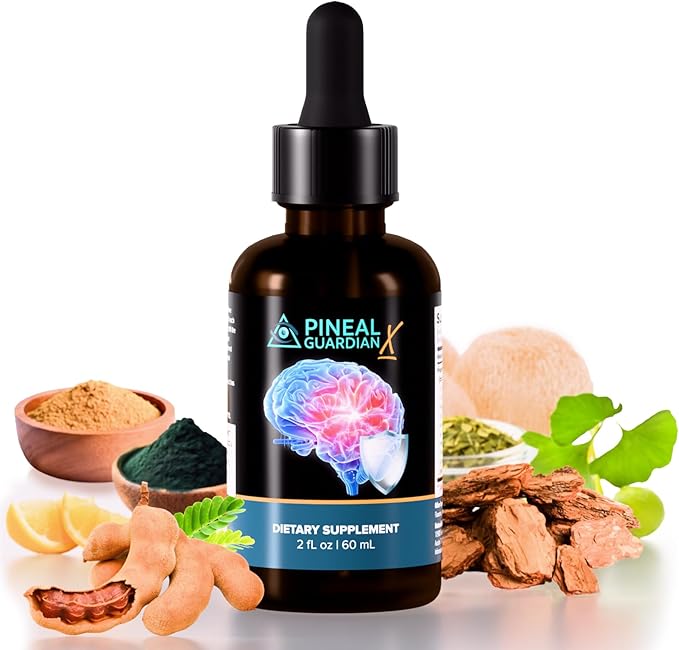
Pineal Guardian
Formulated to support supports brain health and memory
60-Day Money-Back Guarantee
Memory lapses stem from a combination of factors, including chronic inflammation, oxidative stress, and reduced blood flow to the brain. Lifestyle choices such as poor nutrition, lack of sleep, and high stress levels can exacerbate these issues, leading to a decline in neuronal communication and plasticity.
Even seemingly minor habits—like constant multitasking or overreliance on digital devices—strain the brain’s capacity to encode and retrieve information. Research suggests that these cumulative stressors can gradually wear down the hippocampus, the key brain region responsible for forming new memories.
Pineal Guardian offers a blend of antioxidants, omega‑3 fatty acids, and adaptogenic botanicals that may help mitigate some of these root causes by supporting cellular health and reducing oxidative damage.
Section 3: Proven Natural Strategies
Adopting simple, evidence‑based habits can have a powerful impact on memory:
- Prioritize sleep—aim for 7–9 hours per night to consolidate memories.
- Incorporate regular aerobic exercise to boost cerebral blood flow.
- Consume a Mediterranean‑style diet rich in leafy greens, berries, and fatty fish for antioxidants and omega‑3s.
- Engage in mentally stimulating activities—puzzles, learning a new language, or playing music—to strengthen neural networks.
These strategies collectively promote brain resilience and may help keep those yellowed sticky notes from gathering dust.
Section 4: What Science Says
Numerous peer‑reviewed studies highlight the role of specific nutrients in cognitive health. For example, omega‑3 fatty acids—particularly EPA and DHA—have been linked to reduced age‑related memory decline (Journal of Neuroscience, 2016). Flavonoids found in blueberries activate signaling pathways that enhance synaptic plasticity (Nature Communications, 2018). Adaptogens like Rhodiola rosea and Ginkgo biloba have shown promise in reducing cortisol‑induced memory impairment (Neurobiology of Stress, 2020). These natural ingredients are often included in supplements designed to support brain health and memory.
Section 5: The Supplement Approach
When lifestyle changes and natural foods aren’t enough, some people turn to a targeted supplement to reinforce their brain’s defenses. Pineal Guardian is formulated with a blend of DHA, phosphatidylserine, and a spectrum of antioxidants that may help preserve neuronal integrity. The product also includes herbal extracts such as Bacopa monnieri, known for its potential to improve information processing speed, and L‑tyrosine, an amino acid that supports neurotransmitter balance. While the evidence is promising, it is best used as a complementary aid rather than a standalone cure. For more information, visit Pineal Guardian.
By combining a mindful lifestyle with a thoughtfully designed supplement, you give your brain the best chance to thrive—and keep that memory sharp enough to remember every detail.
Ready to Support Your Supports brain?
Join thousands who use Pineal Guardian daily.
* These statements have not been evaluated by the Food and Drug Administration. This product is not intended to diagnose, treat, cure, or prevent any disease. Individual results may vary. This site may receive a commission when you click affiliate links at no additional cost to you.