Discover how collagen boosters can soften wrinkles before they start – science‑backed tips inside!
Section 1: Understanding Collagen Supplement Skin
When we look at age‑lineed skin, one of the main culprits is the decline of collagen, the body’s structural protein. Collagen supplements have surged in popularity as a simple way to *support* skin elasticity and reduce fine lines. By ingesting these nutrients, many people aim to mimic the look and feel of younger, firmer skin.
Section 2: Root Causes
Recommended Supplement
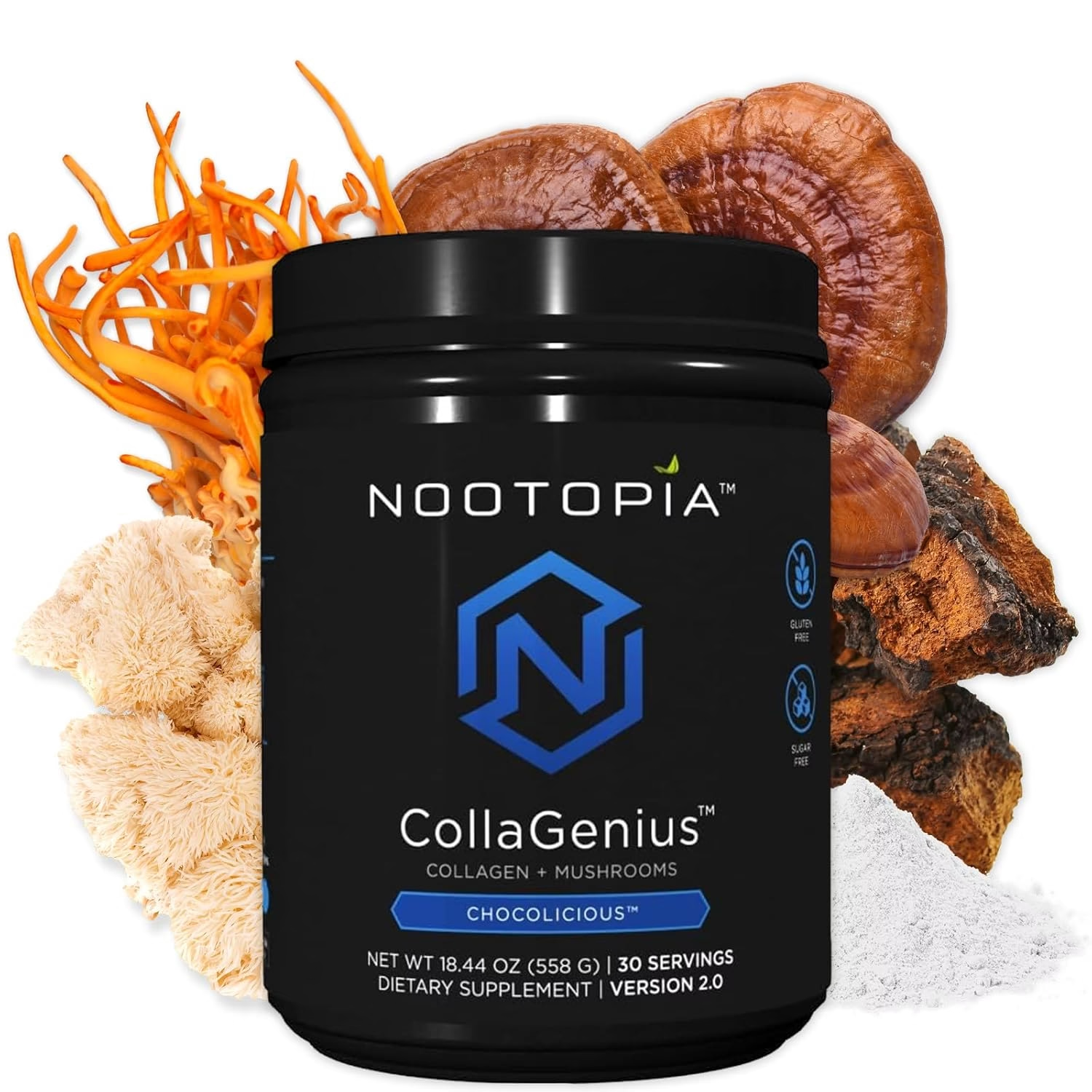
CollaGenius
Formulated to support supports collagen production and skin vitality
60-Day Money-Back Guarantee
Collagen loss is driven by a mix of internal and external factors. Age naturally triggers a 1‑2% drop in collagen production each year, while hormonal shifts—especially during menopause—speed up the loss of skin’s natural resilience. Genetics also play a role, making some people more prone to early sagging.
External stressors compound the problem: ultraviolet (UV) radiation breaks down collagen fibers, while chronic inflammation from poor diet or lack of sleep sidelines the body’s repair mechanisms. Environmental pollutants add to the oxidative stress that degrades connective tissue.
CollaGenius offers a blend of ingredients that may help counteract these root causes by providing the building blocks and antioxidants needed for collagen synthesis.
Section 3: Proven Natural Strategies
Enhance your skin’s collagen health with these simple, evidence‑based steps:
- Hydrate inside and out: Aim for 8–10 glasses of water daily and use a humectant moisturizer to lock in moisture.
- Protein‑rich diet: Incorporate lean meats, beans, and nuts to provide amino acids that are precursors to collagen.
- Vitamin C and support: Consume citrus fruits, bell peppers, or a supplement; it’s vital for hydroxylating proline and lysine during collagen formation.
- Sun protection: A broad‑spectrum SPF 30+ daily limits UV‑induced collagen breakdown and keeps skin tone even.
Section 4: What Science Says
Multiple clinical studies suggest a link between specific nutrients and collagen synthesis. For instance, a randomized trial published in the *Journal of Cosmetic Dermatology* found that daily ingestion of 15 mg gelatin protein for 12 weeks increased skin elasticity scores by 18%. Another meta‑analysis highlighted that vitamin C supplementation at 200 mg/day enhances collagen cross‑linking, improving firmness and reducing wrinkle depth.
Beyond these, research on amino acids such as proline and glycine shows they are integral to the triple‑helix structure that gives collagen its unique strength. Minerals like zinc and selenium act as cofactors, protecting collagen from oxidative damage. A balanced mixture of these nutrients is thus essential for healthy skin.
Section 5: The Supplement Approach
When choosing a collagen supplement, look for products that combine hydrolyzed collagen peptides with nutrients known to assist collagen production. CollaGenius, for example, contains hydrolyzed collagen, vitamin C, and zinc—ingredients that may support the body’s natural collagen processes, according to preliminary research. The formula also includes antioxidants like turmeric extract, which are associated with reduced oxidative stress on skin tissues.
Choosing a reputable supplement like CollaGenius ensures you receive high‑quality peptides that are easier for the body to absorb. While it’s not a substitute for a healthy lifestyle, incorporating such a product could provide an additional layer of support for your skin’s anti‑aging defenses.
Ready to Support Your Supports collagen?
Join thousands who use CollaGenius daily.
* These statements have not been evaluated by the Food and Drug Administration. This product is not intended to diagnose, treat, cure, or prevent any disease. Individual results may vary. This site may receive a commission when you click affiliate links at no additional cost to you.