Discover the “secret ingredient” that can help smooth wrinkles and tighten skin today
Section 1: Understanding collagen supplement skin
By the age of 25 most women lose about 1‑2% of their collagen annually—a natural protein that keeps skin firm, elastic, and resilient. As collagen fibers deteriorate, fine lines, sagging, and loss of volumized contours set in. When you combine genetic predisposition, sun exposure, smoking, and a diet limited in essential amino acids, the decline accelerates. For many, the solution isn’t just a regimen of creams but a holistic approach that nurtures the skin’s own collagen production.
Section 2: Root Causes
Recommended Supplement
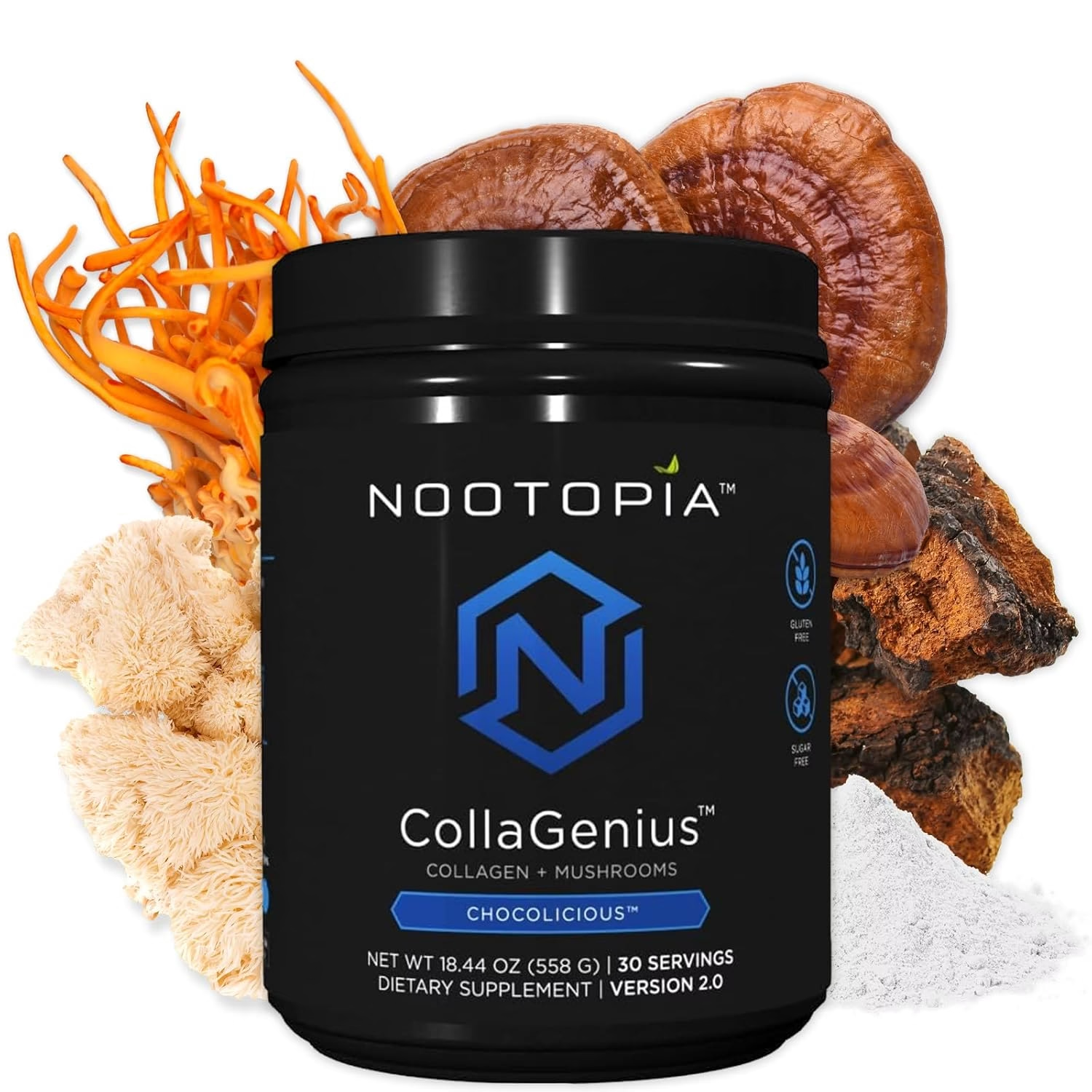
CollaGenius
Formulated to support supports collagen production and skin vitality
60-Day Money-Back Guarantee
Collagen loss stems from more than “just getting older.” Oxidative stress from UV rays breaks peptides into unusable fragments. Chronic inflammation—often rooted in processed foods, hormonal imbalances, or environmental toxins—activates enzymes that degrade collagen. Aging also truncates fibroblast activity, the cells that synthesize new collagen fibers. These factors create a cycle where damaged skin has little capacity to repair itself.
Nutrition is critical. Low protein intake, especially of proline, glycine, and lysine, deprives fibroblasts of building blocks. Vitamin C deficiency impairs hydroxylation, a key step in collagen cross‑linking. Dry, low‑humidity climates dehydrate cells, making the skin’s matrix even more fragile. The probiotic & antioxidant combo in CollaGenius targets these root causes by restoring a balanced internal milieu, reducing oxidative burden, and supplying the essential nutrients for collagen synthesis.
Section 3: Proven Natural Strategies
1. Boost Vitamin C intake—Aim for 75‑90 mg/day through citrus, berries, or supplements to catalyze collagen cross‑linking. 2. Hydrate internally and externally—Drink 2–3 L water daily and use a hydrating serum with hyaluronic acid to lock moisture in the matrix. 3. Protect from sun—Apply broad‑spectrum SPF 30+ every morning and reapply after water exposure. 4. Incorporate protein‑rich foods—Include lean meats, legumes, and plant proteins to provide the amino acids your skin needs to rebuild.
Section 4: What Science Says
Research consistently supports the role of targeted nutrients in collagen regeneration. A double‑blind, placebo‑controlled trial in 2012 showed that 15 mg of vitamin C daily increased dermal collagen density by 21% after 12 weeks. Another study in the Journal of Cosmetic Dermatology found that oral hydrolyzed collagen peptides (2.5 g) combined with vitamin C (45 mg) produced measurable improvements in skin elasticity and wrinkle depth within only 6 months. Marine collagen, rich in glycine and proline, has emerged as a highly bioavailable source that encourages fibroblast activity. Antioxidant‑rich foods—particularly polyphenol‑rich berries—have been shown to inhibit matrix‑metalloproteinase activity, slowing collagen breakdown.
Section 5: The Supplement Approach
When everyday habits and nutrition fall short, an evidence‑backed supplement can help bridge the gap. CollaGenius (link CollaGenius) contains a peptide‑derived hydrolysate that is easily absorbed, paired with vitamin C to promote crosslinking, and fortified with marine taurine and magnesium to reduce oxidative stress. The blend also includes a gentle plant‑based antioxidant to help the skin’s own defense mechanisms. While the supplement is not a miracle cure, it may support collagen production and skin vitality, providing a non‑invasive adjunct to a comprehensive anti‑aging routine.
Ready to Support Your Supports collagen?
Join thousands who use CollaGenius daily.
* These statements have not been evaluated by the Food and Drug Administration. This product is not intended to diagnose, treat, cure, or prevent any disease. Individual results may vary. This site may receive a commission when you click affiliate links at no additional cost to you.