Discover how collagen boosters can slow wrinkles and restore glow—before age takes its toll.
Section 1: Understanding Collagen Supplement Skin
When we look at a mirror, the first thing many notice is the fine lines and sagging that betray our age. Collagen, the protein that gives skin its strength, elasticity, and volume, gradually declines after the early twenties. The consequence? Thinner skin, dullness, and a less resilient texture that invites visible aging. Recognizing how collagen underpins skin health can empower you to intervene before the first crow’s foot appears.
Section 2: Root Causes
Recommended Supplement
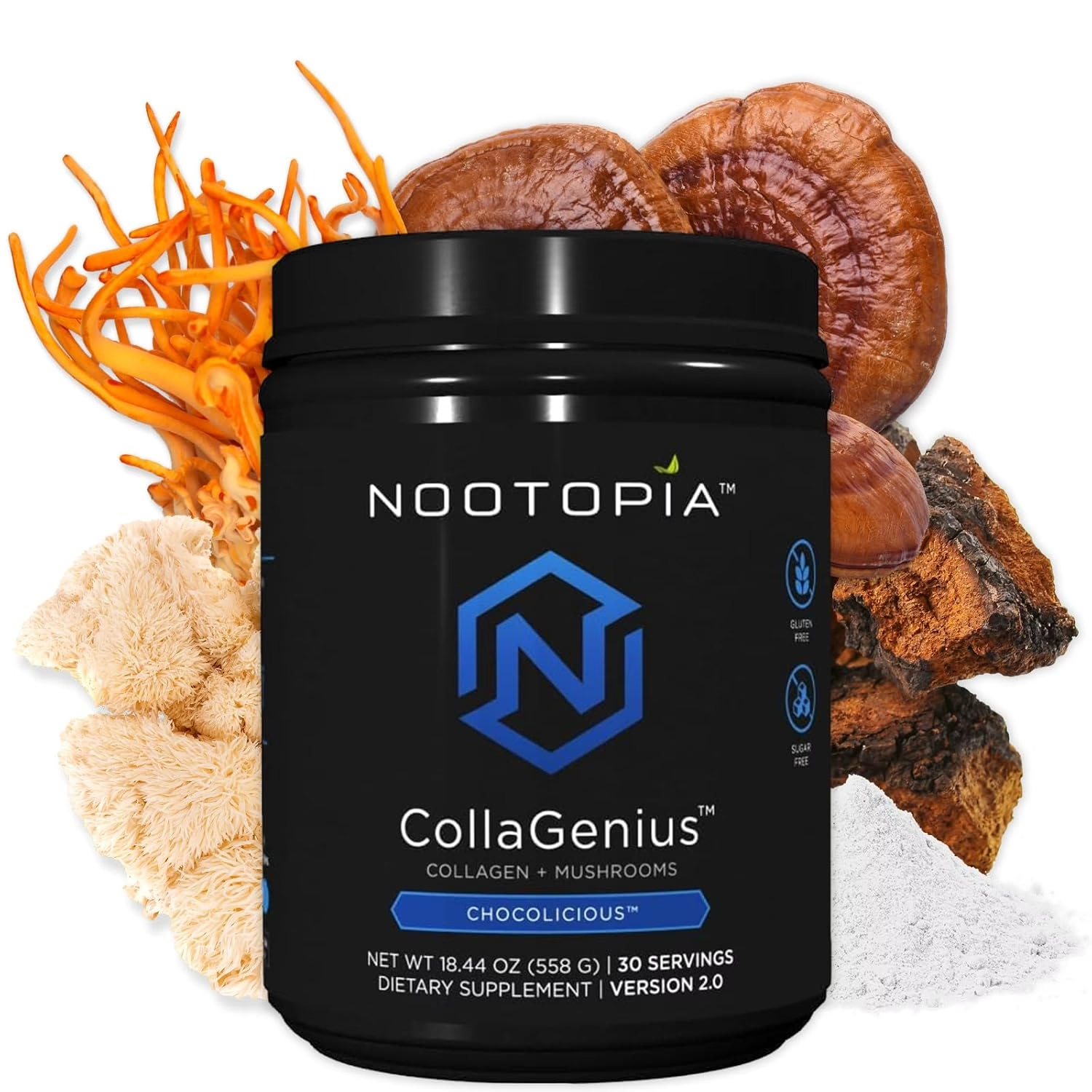
CollaGenius
Formulated to support supports collagen production and skin vitality
60-Day Money-Back Guarantee
The decline in skin firmness isn’t just a passive aging process—it stems from several intertwined factors. First, UV exposure breaks down collagen fibers, accelerating wrinkle formation. Second, oxidative stress from pollution and diet generates free radicals that further damage collagen’s structure. Third, an internal hormonal shift, particularly a drop in estrogen and testosterone with age, reduces the body’s natural synthesis of this critical protein. Finally, modern lifestyles with irregular sleep, high-sugar foods, and limited protein intake leave the skin starved for the building blocks it needs. CollaGenius offers a blend that can help fuel the body’s attempt to replenish collagen, potentially mitigating some of these deficiencies.
Section 3: Proven Natural Strategies
Here are four simple, evidence‑backed actions you can take daily to encourage your skin’s collagen production:
- Hydrate Adequately – Aim for 8–10 glasses of water to support the skin’s matrix and aid nutrient delivery.
- Prioritize Protein – Include high‑quality protein sources (chicken, fish, eggs, legumes) in every meal; proteins are the raw material for collagen.
- Consume Antioxidant‑Rich Foods – Berries, leafy greens, and nuts combat free radical damage that degrades collagen.
- Protect Skin from Sun – Daily SPF 30+ blocks UVA/UVB rays responsible for collagen breakdown.
Section 4: What Science Says
Research consistently links certain nutrients to collagen synthesis. Vitamin C is essential for the enzymatic conversion of proline and lysine into stable collagen fibers, while zeaxanthin and lutein help guard against UV-induced oxidative stress. Studies published in the Journal of Dermatological Science found that daily oral vitamin C significantly increased dermal collagen density. Moreover, animal models demonstrate that extracts of hyaluronic acid and algae-derived fucoidan can stimulate fibroblast activity, the cells that produce collagen. These findings suggest a natural, diet‑based approach can produce measurable improvements in skin firmness and hydration.
Section 5: The Supplement Approach
When lifestyle changes alone aren’t enough, incorporating a collagen supplement can be a practical next step. CollaGenius, available through CollaGenius, offers a blend of hydrolyzed collagen peptides, vitamin C, and marine‑derived minerals that may help support collagen production and skin vitality. These components are chosen based on evidence of their ability to assist fibroblasts in generating more resilient connective tissue. While the supplement can play a supportive role, it works best in tandem with the natural strategies discussed above.
Ready to Support Your Supports collagen?
Join thousands who use CollaGenius daily.
* These statements have not been evaluated by the Food and Drug Administration. This product is not intended to diagnose, treat, cure, or prevent any disease. Individual results may vary. This site may receive a commission when you click affiliate links at no additional cost to you.