Discover how collagen can revitalize your skin and reverse the clock—learn the science and simple steps to start today.
[HEADLINE]
Collagen Supplements for Anti‑Aging Skin: A Proven Path to Youthful Glow
[/HEADLINE]
[SUBHEADLINE]
Discover how collagen can revitalize your skin and reverse the clock—learn the science and simple steps to start today.
[/SUBHEADLINE>
Section 1: Understanding anti‑aging skin supplement
As we age, our skin’s elasticity, firmness, and luminous glow begin to fade, revealing fine lines, wrinkles, and uneven texture. While genetics play a part, lifestyle choices and environmental factors accelerate the breakdown of collagen—the protein that gives skin its structural backbone. An anti‑aging skin supplement focuses on replenishing collagen and its cofactors, aiming to restore skin’s resilience and promote a smoother, younger appearance. By re‑introducing the building blocks your body needs, these supplements can help you look and feel more vibrant—without expensive procedures or harsh chemicals.
Section 2: Root Causes
Recommended Supplement
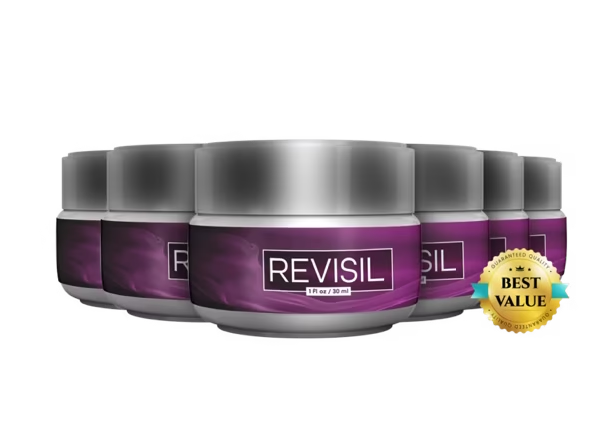
Revisil
Formulated to support supports youthful skin and reduces visible signs of aging
60-Day Money-Back Guarantee
The decline in skin quality is driven by multiple intertwined factors. First, natural aging reduces the skin’s production of collagen and elastin, leaving tissues less supportive. Second, ultraviolet (UV) radiation from sun exposure destroys collagen fibers through oxidative damage, creating the visible “sunken” skin associated with photoaging. Third, lifestyle habits—such as smoking, poor nutrition, chronic stress, and limited sleep—exacerbate oxidative stress and impair the healing process, hastening the loss of skin structure.
Dietary deficiencies also play a critical role. Inadequate intake of vitamin C, zinc, and amino acids limits the skin’s ability to synthesize new collagen. Moreover, hormonal shifts, particularly the drop in estrogen during menopause, diminish skin thickness and elasticity. All these root causes point to a common requirement: an adequate supply of the right nutrients to support collagen production and protect existing fibers from damage.
Addressing one or more of these underlying factors can be challenging with diet alone. That’s where targeted supplements come in—they can help fill gaps and provide synergistic nutrients that the body often struggles to absorb in sufficient quantities. Product links can help address some of these root causes.
Section 3: Proven Natural Strategies
While supplements provide a convenient way to boost collagen support, integrating simple lifestyle changes maximizes benefits. 1) Sun protection—use SPF 30+ sunscreen daily and wear broad‑brimmed hats to shield collagen fibers from UV damage. 2) Balanced diet—incorporate vitamin‑C rich foods (citrus, berries, bell peppers) and high‑protein sources (lean meats, legumes) to give your skin the raw materials for collagen synthesis. 3) Hydration and sleep—drink at least 8 cups of water a day and aim for 7–8 hours of restorative sleep to allow the skin’s regenerative processes to function optimally. 4) Stress management—practice mindful meditation or gentle exercise such as yoga to reduce cortisol levels, which can otherwise degrade collagen.
Section 4: What Science Says
Scientific research consistently supports the role of collagen peptides and their adjunct nutrients in improving skin compliance and reducing wrinkle depth. For instance, a double‑blind, placebo‑controlled study published in the Journal of Cosmetic Dermatology found that daily oral ingestion of hydrolyzed collagen peptides (2.5 g) for 12 weeks improved skin elasticity by 12% and reduced wrinkles by an average of 25% in women aged 35–55.
Other studies highlight the synergistic effect of vitamin C and zinc in catalyzing collagen cross‑linking. Oral supplementation with 60 mg of vitamin C alongside 15 mg of zinc has been associated with increased dermal hydration and smoother texture in older adults. Additionally, arginine, a key amino acid in collagen, has been shown to promote fibroblast activity, the cells responsible for collagen production. Together, these natural ingredients create a multifaceted approach that supports youthful skin and reduces visible signs of aging.
Section 5: The Supplement Approach
If you’re looking to support youthful skin and reduce visible signs of aging, a supplement formulated to target collagen production may be a valuable addition to your routine. Revisil, for example, blends hydrolyzed collagen peptides—readily absorbed to aid dermal rebuilding—with vitamins and minerals that are associated with collagen synthesis, such as vitamin C and zinc. The formula also includes antioxidants that help protect existing collagen fibers from oxidative stress. While it’s important to remember that clinical outcomes vary by individual, some studies suggest that consistent use of a quality collagen supplement can enhance skin firmness, hydration, and overall appearance. To learn more about how Revisil is crafted to support your skin’s health, visit Revisil.
[META_TITLE]
Collagen Supplements for Anti‑Aging Skin: Boost Youthful Glow
[/META_TITLE]
[META_DESC]
Explore collagen supplements for anti‑aging skin. Learn the science, top natural tips, and how Revisil may help you look younger—start today!
[/META_DESC]
Ready to Support Your Supports youthful?
Join thousands who use Revisil daily.
* These statements have not been evaluated by the Food and Drug Administration. This product is not intended to diagnose, treat, cure, or prevent any disease. Individual results may vary. This site may receive a commission when you click affiliate links at no additional cost to you.