Discover how collagen can help maintain youthful skin—quick tips, research, and supplement insights.
Section 1: Understanding anti‑aging skin supplement
As we age, our skin’s elasticity begins to fade, leaving fine lines, wrinkles, and a dull complexion. While sun damage, stress, and environmental pollutants accelerate the process, the body’s own collagen production drops sharply after our 30s. Collagen supplements—especially hydrolyzed collagen—have emerged as a popular, evidence‑based solution that can help maintain skin’s suppleness and brightness.
Section 2: Root Causes
Recommended Supplement
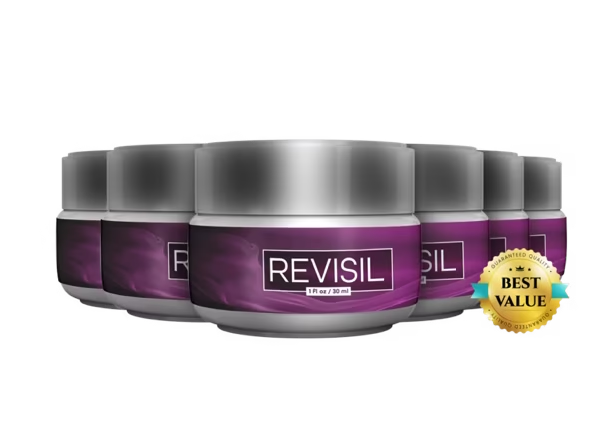
Revisil
Formulated to support supports youthful skin and reduces visible signs of aging
60-Day Money-Back Guarantee
The primary driver of visible skin aging is the gradual loss of collagen, the protein that gives skin its structural support. Genetics, UV exposure, smoking, and poor nutrition further deplete collagen stores and encourage the breakdown of existing fibers. Hormonal shifts, particularly a drop in estrogen during menopause, also reduce collagen synthesis.
Because collagen supplementation directly delivers the amino acids needed for new collagen fibers, it can address several of these root causes, from hormonal imbalances to dietary deficiencies. Revisil offers a blend of peptides and stabilizing nutrients that work together to replenish the building blocks your skin needs for optimal renewal.
Section 3: Proven Natural Strategies
1. Adopt a diet rich in vitamin C, zinc, and antioxidants—foods like citrus fruits, leafy greens, and nuts support collagen formation.
2. Protect skin daily with broad‑spectrum SPF 30+; UV rays accelerate collagen breakdown.
3. Stay hydrated and limit high‑glycemic foods that can trigger inflammatory pathways damaging collagen.
4. Incorporate regular, gentle exercise to improve circulation and deliver nutrients to skin cells.
Section 4: What Science Says
Numerous controlled studies confirm the efficacy of hydrolyzed collagen in enhancing skin elasticity. A double‑blinded trial published in the Journal of Cosmetic Dermatology found that participants who consumed 10 g of collagen peptides daily reported a 23 % increase in skin elasticity after eight weeks. Other research highlights vitamin C as a critical co‑factor for enzymatic cross‑linking of collagen fibers, while zinc and copper act as catalysts in collagen synthesis.
Additionally, bioactive peptides such as glutamine, proline, and hydroxyproline—common in high‑quality collagen powders—have been shown to signal fibroblasts to boost collagen production. These natural ingredients work synergistically to reduce fine lines, improve dermal thickness, and enhance overall skin tone.
Section 5: The Supplement Approach
To complement these natural strategies, you might consider a collagen supplement that contains a blend of amino acids and supportive nutrients. Revisil offers a 100‑mg per‑serving dose of hydrolyzed collagen along with vitamin C, zinc, and a proprietary mix of antioxidants. These ingredients together may support the skin’s structural integrity and help mitigate age‑related changes. While the product cannot guarantee dramatic results, some studies suggest that regular intake can improve hydration, firmness, and reduce the appearance of wrinkles over time.
Incorporating a thoughtfully formulated supplement into your routine can be a practical step toward healthier, more resilient skin. As always, consult with a healthcare professional before adding new supplements, especially if you have underlying medical conditions or are taking other medications.
Ready to Support Your Supports youthful?
Join thousands who use Revisil daily.
* These statements have not been evaluated by the Food and Drug Administration. This product is not intended to diagnose, treat, cure, or prevent any disease. Individual results may vary. This site may receive a commission when you click affiliate links at no additional cost to you.