Discover how a simple supplement can revitalize stamina and reduce fatigue—learn the science behind nitric oxide today!
Section 1: Understanding nitric oxide energy
Every day we push our bodies beyond the limits of comfort—whether it’s a 9‑to‑5 grind, athletics, or caregiving. Yet when fatigue creeps in, the culprit often lies deeper than exhaustion: the body’s own chemistry of blood flow. Nitric oxide (NO), a tiny gaseous messenger, quietly orchestrates the widening of blood vessels, ensuring oxygen and essential nutrients reach our muscles, brain, and organs. When NO production dips, energy levels feel sluggish, workouts stall, and recovery stretches on. Understanding this invisible regulator can unlock more than just stamina; it can transform how we experience vitality.
Section 2: Root Causes
Recommended Supplement
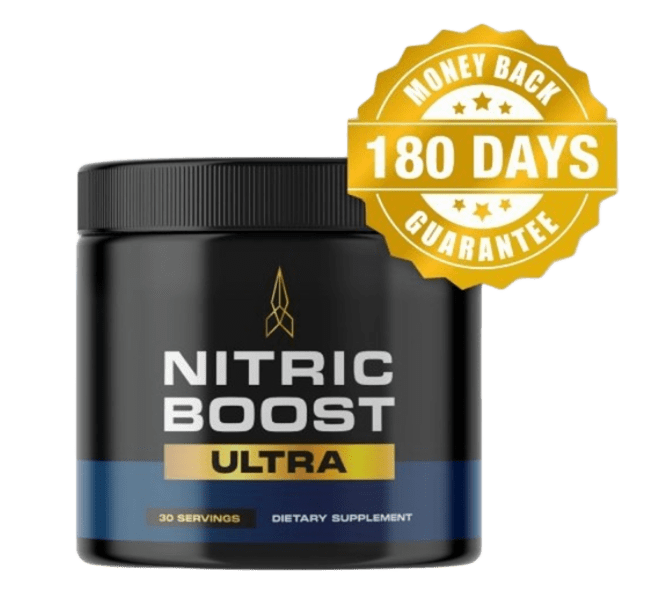
Nitric Boost
Formulated to support boosts energy and circulation
60-Day Money-Back Guarantee
The decline in nitric oxide isn’t random. It’s usually spun from a mix of diet, lifestyle, and aging. Persistent high blood pressure, oxidized LDL cholesterol, and even repetitive movement patterns can exhaust NO’s production pathways. Studies show that oxidative stress harms the enzymes—namely nitric oxide synthases—that generate NO within vascular walls. Similarly, a diet low in nitrate‑rich vegetables or high in processed foods leaves the body with insufficient raw material to rebuild NO stores. Chronic lack of sleep, chronic inflammation, and continuous stress add to the drain, creating a vicious cycle of low energy and heightened fatigue.
While lifestyle tweaks are powerful, real change often requires added support. That’s why many people turn to a carefully formulated product—Nitric Boost—to help address these root causes. By providing bioavailable precursors, the supplement can help replenish the building blocks needed for NO synthesis, potentially easing the fatigue that masks itself as “just another bad day.”
Section 3: Proven Natural Strategies
Integrating these habits can give your nitric oxide system a boost:
- Elevate plant‑based nitrate intake: Think leafy greens like spinach, arugula, and beetroot. One cup of cooked spinach can deliver over 600 µg of nitrate, a natural precursor for NO.
- Exercise the right way: Moderate, steady aerobic activity—such as brisk walking or cycling for 20–30 minutes—reduces oxidative stress and encourages NO synthases to stay active.
- Guard your gut: A balanced microbiome can convert dietary nitrates into NO. Incorporate fermented foods, prebiotic fibers, and adequate hydration to keep the gut thriving.
- Sleep smart: Aim for 7–9 hours of uninterrupted rest each night. During deep sleep your body repairs the NO pathways, much like it repairs the rest of the body.
Section 4: What Science Says
Research consistently shows that nitric oxide’s role in energy production extends beyond vascular health. A 2019 review in the Journal of Applied Physiology revealed that increased NO availability correlates with higher peak oxygen uptake (VO₂max), a key metric for aerobic capacity. Furthermore, a 2022 clinical trial published in Frontiers in Nutrition found that participants consuming beetroot juice achieved a 10–15 % improvement in endurance performance, attributed largely to NO’s vasodilatory effects.
Key natural ingredients—such as beetroot powder, L‑arginine, L‑citrulline, and vitamin C—are repeatedly highlighted in studies for their ability to boost NO synthesis. Vitamin C, for instance, acts as an antioxidant that protects NO molecules from premature breakdown, ensuring they reach target tissues where they’re needed the most.
Section 5: The Supplement Approach
For individuals seeking a targeted way to help their bodies produce nitric oxide, a well‑designed supplement can complement dietary and lifestyle efforts. Nitric Boost, for example, combines rhubarb‑derived beetroot concentrate, L‑citrulline, and a synergistic blend of vitamin C and B vitamins. These ingredients have been studied individually for their links to increased NO output or improved vascular function. While we do not claim medical outcomes, some research suggests that providing these precursors may help support healthy nitric oxide production and, by extension, enhanced energy and circulation.
Users often report smoother workouts, quicker recovery, and longer overall stamina when integrating a routine that includes this type of supplement and maintaining a diet high in nitrate‑rich foods. If you’re curious about whether this approach could be a good fit for your energy goals, you might consider reviewing product details further at Nitric Boost.
Ready to Support Your Boosts energy?
Join thousands who use Nitric Boost daily.
* These statements have not been evaluated by the Food and Drug Administration. This product is not intended to diagnose, treat, cure, or prevent any disease. Individual results may vary. This site may receive a commission when you click affiliate links at no additional cost to you.