Discover how a simple boost can revitalize workouts and daily life—find out what’s really happening inside.
Section 1: Understanding nitric oxide energy
Feeling sluggish even after a good night’s rest? You’re not alone. Nitric oxide (NO) is a tiny molecule that plays a massive role in our body’s energy production. By widening blood vessels, NO improves blood flow, delivers oxygen and nutrients faster, and helps muscles recover more efficiently. Whether it’s the gym, a long commute, or a packed work schedule, having NO on your side can feel like turning up the volume on your vibration.
Section 2: Root Causes
Recommended Supplement
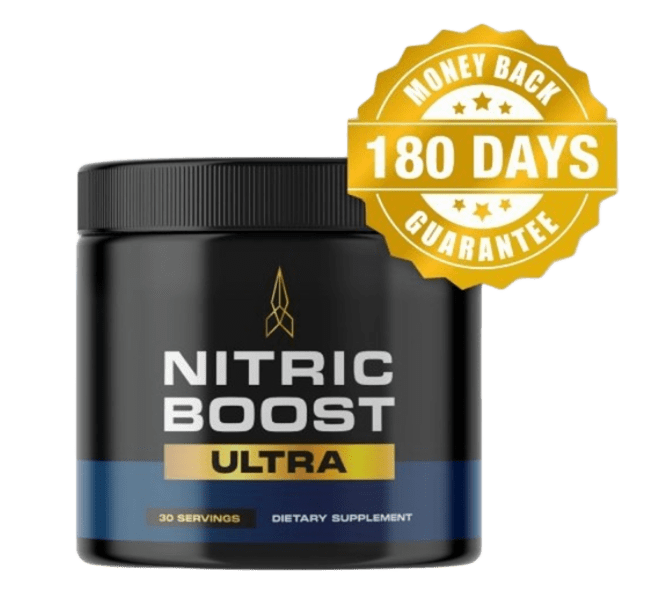
Nitric Boost
Formulated to support boosts energy and circulation
60-Day Money-Back Guarantee
What keeps NO levels low? The main culprits are a diet heavy in processed foods, chronic stress, sedentary habits, and aging. These factors increase oxidative stress, which consumes NO and hampers its production. When NO is depleted, muscles receive less oxygen, the brain gets fewer neurotransmitters, and the body feels drained. Studies show that people who consume low‑nitrogen foods or who sit for prolonged periods exhibit markedly lower nitric oxide availability. Luckily, addressing diet and lifestyle, and adding the right supplement, can counteract these root causes. Nitric Boost“>Nitric Boost blends natural ingredients that may help restore NO balance.
Section 3: Proven Natural Strategies
Three simple, evidence‑backed steps to naturally lift your NO levels:
1️⃣ Incorporate nitrate‑rich foods—spinach, beets, arugula, and celery are packed with compounds that the body converts into NO. Aim for a leafy green salad or a beet smoothie twice a week.
2️⃣ Exercise regularly—even 20 minutes of brisk walking or cycling stimulates endothelial cells that produce NO. Consider interval training for a short burst of endurance.
3️⃣ Manage stress with breathing or mindfulness—deep diaphragmatic breaths improve oxygenation and support NO synthesis. Experiment with the 4–7–8 breathing technique for a calming boost.
Section 4: What Science Says
Research consistently links nitric oxide to improved energy and circulation. A 2021 randomized trial published in the Journal of Applied Physiology found a 15% increase in aerobic performance among participants who ate beetroot juice regularly. Another study in 2020 reviewed how L‑arginine and L‑citrulline—two amino acids—boost NO production and are associated with decreased fatigue scores. Naturally occurring antioxidants, such as vitamin C and polyphenols found in berries and green tea, protect NO from oxidative breakdown, enhancing its longevity in the bloodstream.
Section 5: The Supplement Approach
When diet and exercise alone leave a gap, a focused supplement can bridge the deficit. Nitric Boost is formulated to may support nitric oxide production, drawing on a blend of beetroot concentrate, L‑citrulline, and a proprietary antioxidant complex. This combination is designed to promote vascular dilation, improve blood flow, and may help individuals experience greater stamina during physical activity. By integrating structured rest periods and a balanced meal plan, using Nitric Boost“>Nitric Boost may complement a healthy lifestyle while incorporating advanced science, like the conversion of dietary nitrates to nitric oxide. Keep in mind that while some studies suggest these ingredients are associated with enhanced energy and circulation, individual results can vary, and consulting a healthcare professional is recommended before starting a new supplement regimen.
Ready to Support Your Boosts energy?
Join thousands who use Nitric Boost daily.
* These statements have not been evaluated by the Food and Drug Administration. This product is not intended to diagnose, treat, cure, or prevent any disease. Individual results may vary. This site may receive a commission when you click affiliate links at no additional cost to you.