Discover simple habits that may help protect your prostate and support urinary health after 50.
1. Embrace a Balanced, Prostate‑Friendly Diet
What you eat can influence prostate inflammation and the risk of enlargement. A diet rich in colorful fruits and vegetables—especially tomatoes, broccoli, kale, and berries—provides antioxidants like lycopene, beta‑carotene, and vitamin C, which are associated with healthier prostate tissue. Lean proteins such as fish (rich in omega‑3 fatty acids) and plant‑based sources like beans and lentils replace processed meats that may worsen inflammation. Incorporate whole grains, nuts, and seeds, and limit sugary drinks and refined carbs. Staying within a moderate caloric range helps prevent excess weight, a known contributor to prostate issues.
2. Stay Physically Active and Keep the Bladder Strong
Regular exercise improves circulation, reduces body fat, and supports urinary control. Aim for at least 150 minutes of moderate activity per week—think brisk walking, cycling, or swimming. Strength training twice a week builds core muscles that aid bladder function. Pelvic floor exercises (kegels) are particularly useful; performing them daily can strengthen the sphincters that manage urination, potentially easing nighttime visits and urgency associated with benign prostate enlargement.
3. Monitor Fluid Intake and Manage Timing
Hydration is essential, but timing matters. Drinking most fluids during daylight and limiting intake 2–3 hours before bedtime can reduce nocturia, the frequent nighttime urination common in men over 50. If you consume caffeinated or alcoholic beverages, moderate the amount as they can irritate the bladder and increase urgency. Also, consider using a bladder diary: record times of fluid intake and bathroom visits. Patterns may reveal triggers—such as excessive coffee or cold drinks—that you can adjust to support smoother bladder function.
4. Get Regular Screening and Discuss Symptoms Early
Early detection of prostate concerns can improve outcomes. Discuss with your doctor the appropriate timing for prostate‑specific antigen (PSA) blood tests and digital rectal exams (DRE). Symptom awareness is key: new urinary changes, difficulty starting or stopping flow, weak stream, or pain during ejaculation warrant prompt medical evaluation. Early conversations can uncover treatable conditions—such as prostatitis or benign prostatic hyperplasia (BPH)—before they affect quality of life.
Conclusion
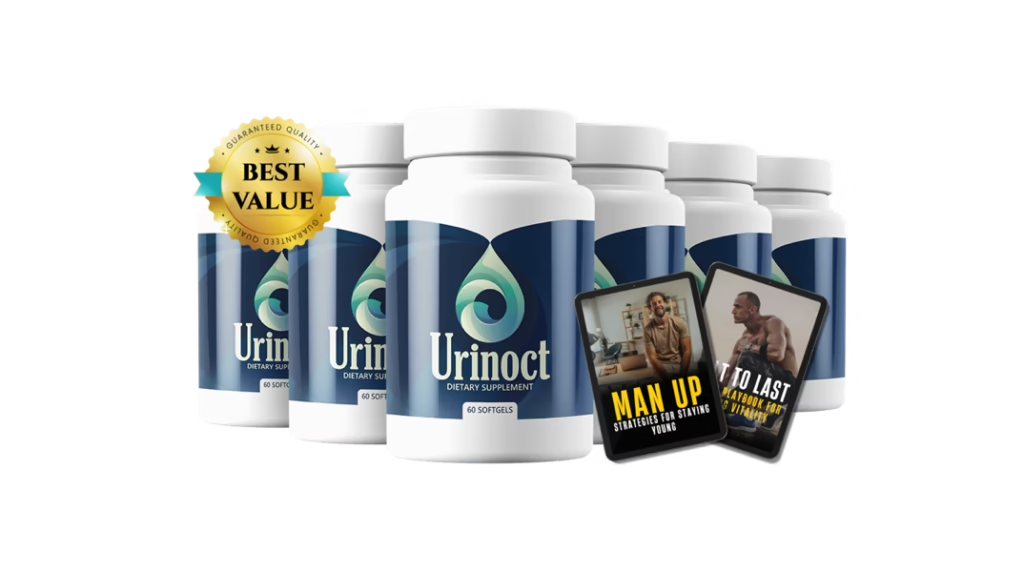
By integrating a nutrient‑rich diet, regular exercise, mindful fluid habits, and proactive medical care, men over 50 can take practical steps that may support prostate and urinary health. When combined with a healthy lifestyle, targeted supplements like Urinoct may complement these efforts, offering an additional avenue to support bladder function and overall well‑being.
* These statements have not been evaluated by the Food and Drug Administration. This product is not intended to diagnose, treat, cure, or prevent any disease. Individual results may vary. This site may receive a commission when you purchase through affiliate links at no additional cost to you.